Mumbai rarely pauses. It is a city where people from different regions, religions, languages and backgrounds come together to live and work. This diversity gives the city its energy and brings together many different experiences of living in it. Questions of identity, development, inequality and everyday stress continue to shape urban life.
To create spaces where people can pause and reflect on city realities as well as consider how to work collectively for change, YUVA started ComplexCity. This annual urban festival curates creative storytelling and performance based opportunities to drive narrative shifts about the urban poor. Through this festival, community leaders from different parts of the city come forward to share their experiences and perspectives, opening up spaces for meaningful exchange with people from across the city. These interactions go beyond just listening, it creates a space where these stories can be heard openly, helping people understand each other and the city a little better.

One of the most engaging parts of the festival is the Street Play Competition, which has now completed eight years. Over time, it has become a meaningful space where young people come forward to share their experiences and perspectives through theatre. As seen in earlier editions of the festival as well, this platform has steadily grown, with each year bringing new voices and sharper reflections from young participants. The performances brought forward a range of themes, division within communities, questions of identity, access to opportunities, and the challenge of living with dignity. For many participants, street theatre became a way to share thoughts that often remain unheard.
As shared during the event by Vijay Kharat,
“Through our arts, we convey our conversations to people… such arts should always be alive.”
What stood out this year was the effort each group put into presenting their act. They encouraged the audience to pause and reflect on their own role in creating a more understanding and peaceful society.
Stories from the Stage
Each of the eleven performances explored the theme, “Aman Ki Kahani, Yuvaon Ki Jubani,” in its own way. Many plays began with simple but powerful questions, do we really live in peace? If not, what is disturbing it?
From there, the stories moved into different situations that people encounter in everyday life.
Several groups spoke about religion and division. Through symbolic scenes and strong dialogues, they showed how teachings that originally promote compassion and unity are sometimes misused to create hatred and mistrust between communities. These performances reminded the audience that peace cannot survive where prejudice exists.
One moment that stood out was when a performer spoke about how people today often see each other through the lens of caste or religion, instead of simply as human beings. The line was simple, but it stayed with the audience, quietly bringing the focus back to what peace really means in everyday life.
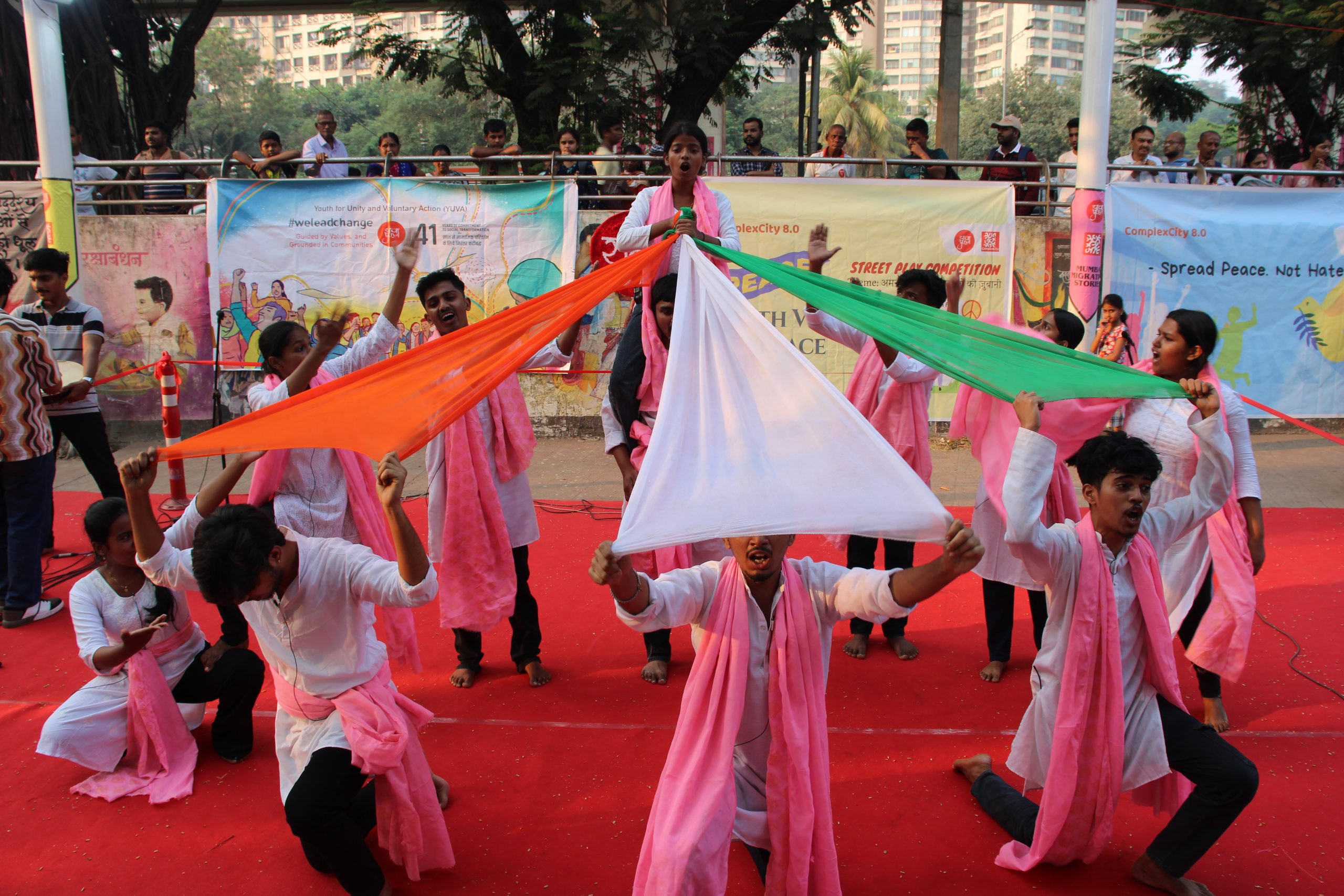 Some groups focused on development and displacement, showing families being forced to leave their homes in the name of progress. These scenes questioned what development really means when it comes at the cost of people’s security and dignity.
Healthcare, environmental concerns, and unemployment emerged as important themes across several performances. In one scene, a family was shown struggling to make sense of a chaotic hospital situation, unsure of where to go or whom to ask for help. The confusion and urgency in that moment reflected how difficult such situations can be for ordinary people. Environmental issues were brought out through scenes on pollution, deforestation and unregulated construction, linking these changes to their impact on people’s everyday lives, with a quiet reminder that when the environment is neglected, its effects are felt by everyone.
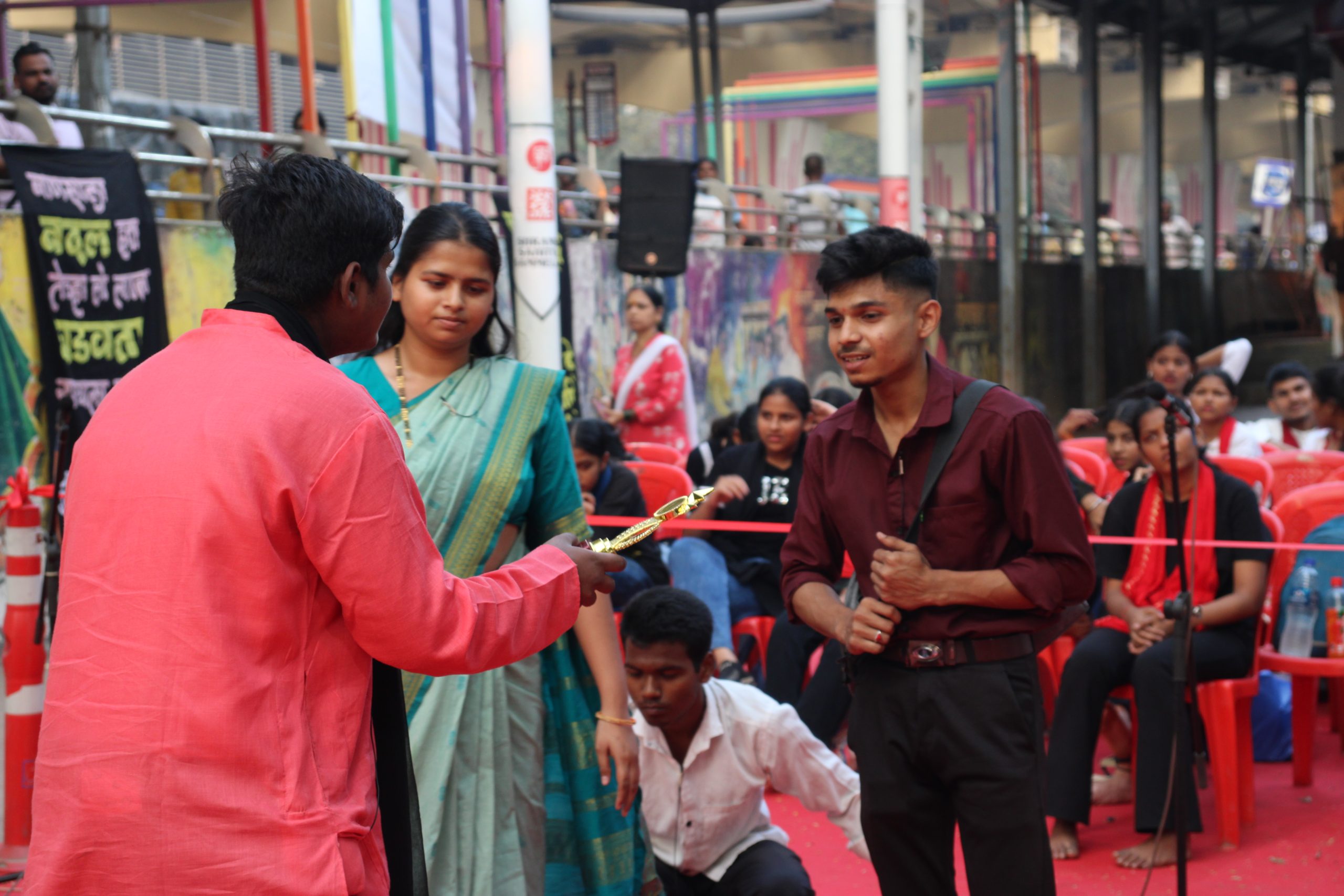 A few performances focused on unemployment and addiction, showing how a lack of opportunities can lead to frustration and difficult choices for young people, raising a simple but important question: What happens when effort does not meet opportunity? Together, these stories reflected concerns that are closely connected to people’s lived realities.
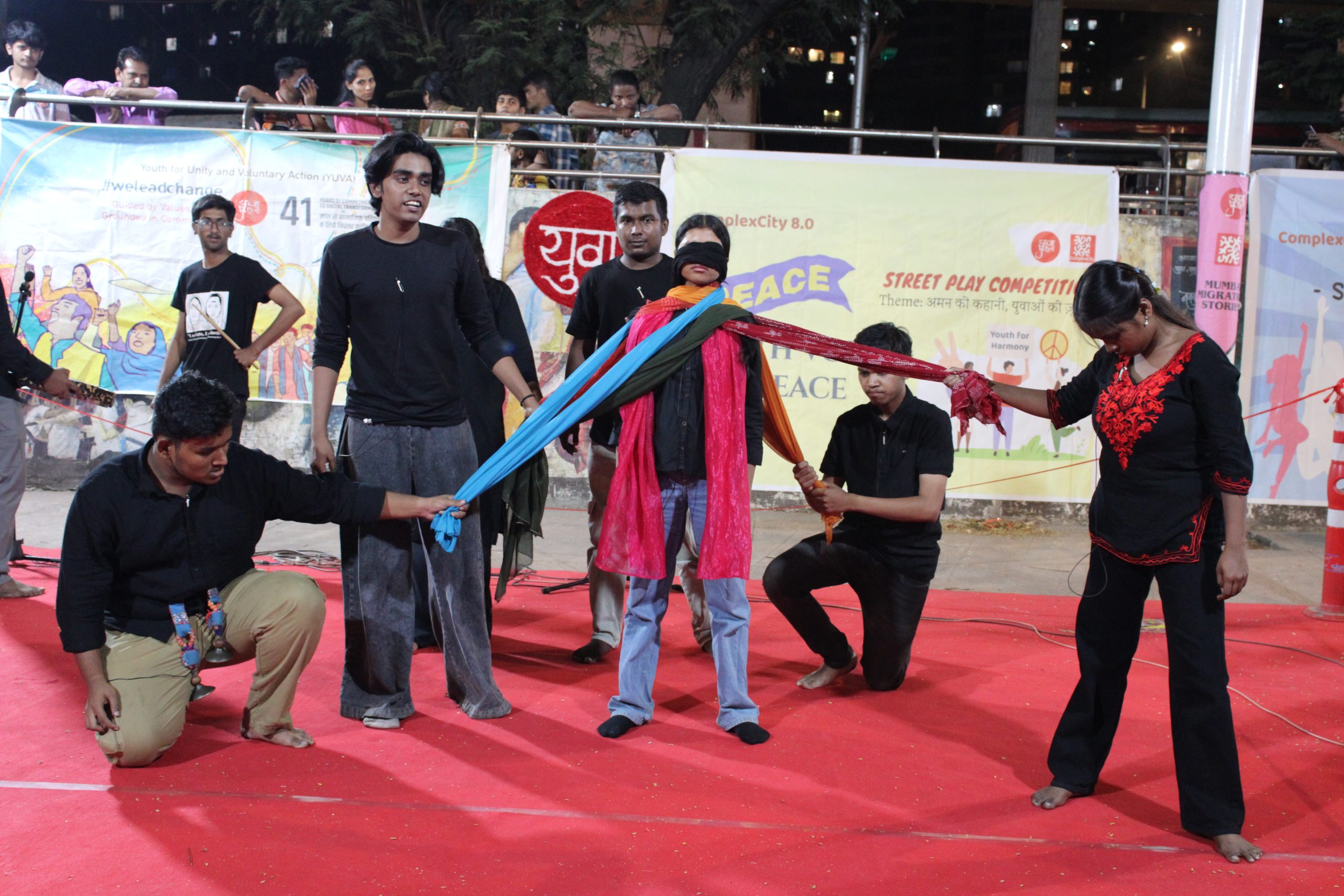 Urban stress also emerged as a recurring theme across several performances. Through scenes of traffic congestion, overcrowded public transport, and the constant rush of city life, the plays showed the kind of pressure many people live with. Some of these moments were presented with light humour, but they also pointed to how this strain affects people over time. In the context of this year’s theme, “Aman Ki Kahani, Yuvaon Ki Jubani,” a clear takeaway was that peace is not only about larger conflicts, but also about how people respond to such situations.
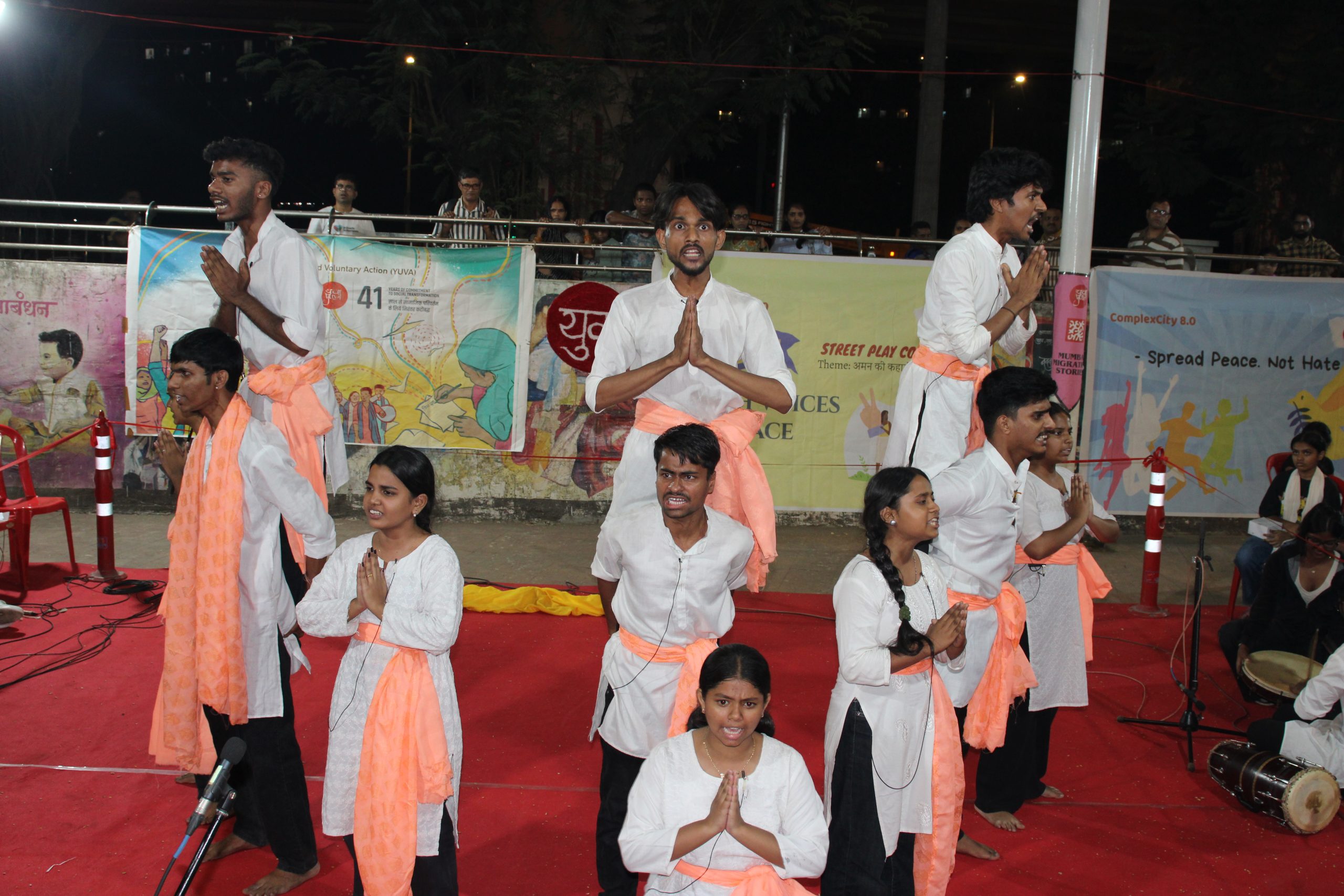 A few performances also brought in scenes of protests and public resistance, showing how frustration builds when people feel unheard or excluded from decision-making processes. These moments reflected the concerns raised during the event, that young people are closely observing what is happening around them and are trying to find ways to express it. At the same time, most plays moved towards a shared understanding that addressing these challenges requires dialogue, responsibility, and collective effort. Together, these performances showed that peace depends on the choices people make in different situations.
One of the most noticeable things about the competition was how the youth used very simple setups to share strong ideas. Songs, slogans, and group coordination helped them connect with the audience. It showed that street theatre does not need much to be effective, it just needs clarity and honesty in what is being said. As shared during the event, this form of art helps take conversations directly to people and keeps important issues alive.
More Than Just a Competition
By the end of the event, what stayed with the audience was not just the performances, but the conversations they started. Across 11 street plays, different youth groups came together, each bringing their own voice and perspective. Teams like Atmashakti, Malvani Yuva Parishad, BASS, Hamari Awaaz, Ekta Shakti, Natya Kala Yuva Group, Kirti Katta and others reflected on situations that are often seen but not always openly discussed.
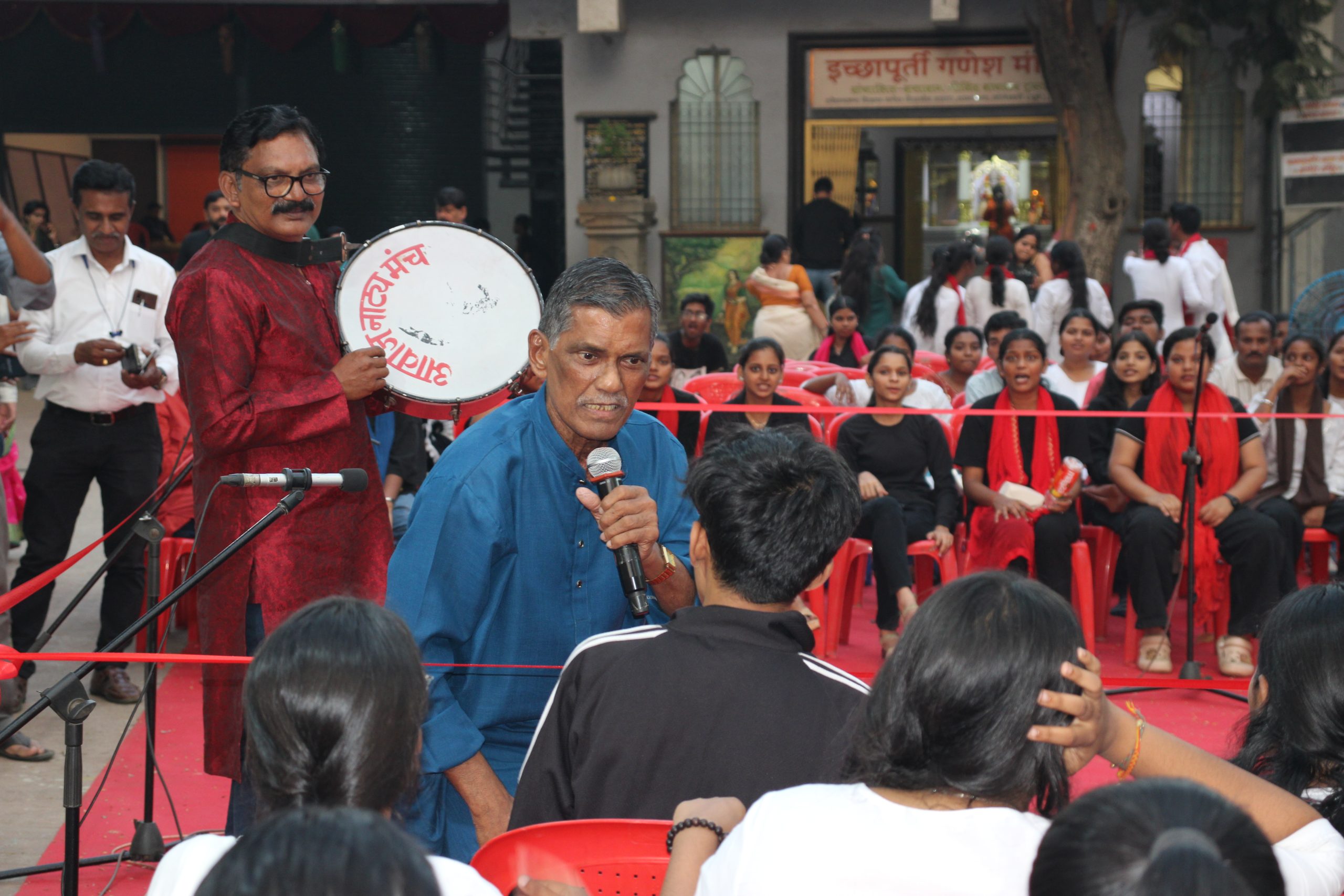 Street theatre has continued to be an important part of the festival because it creates a direct connection between performers and the audience. Over the years, it has shown that when young people are given space in this way, they not only express what they see around them, but also start conversations that stay with people even after the performance ends. This is why the competition continues to return each year, with new groups, new voices, and new perspectives.
 The theme, “Aman Ki Kahani, Yuvaon Ki Jubani,” came alive through these performances, shaped by different experiences and viewpoints. It stayed with the audience as a simple reminder that peace grows where there is respect, care, and a willingness to stand by each other.