City Caravan 10.0: Understanding the City, Understanding Ourselves, Building Change
What makes a city work for everyone?
Cities often promise opportunity, but not everyone experiences them in the same way. Access to basic services, safe neighbourhoods, and secure livelihoods continues to vary across communities, shaped by inequality, climate change, and uneven urban development. As young people navigate these realities, an important question emerges: what role can youth play in building cities that are more just, inclusive, and resilient?
With this question at its centre, City Caravan 10.0 marked the tenth edition of YUVA’s residential learning journey, bringing together 19 young participants for ten days of learning, dialogue, and reflection.
City Caravan has always been more than a training programme. It is a space where young people come together to reflect, ask questions, exchange experiences, challenge stereotypes, and explore what it means to be an active citizen in a rapidly changing city. Over ten days, participants engaged with themes ranging from urbanisation, governance, labour rights, climate justice, and gender to civic action, policy-making, and community leadership.
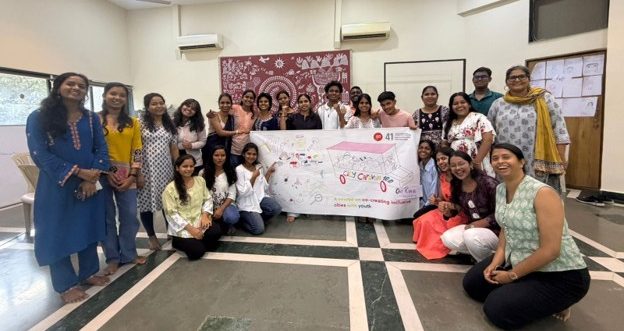
As the days unfolded, participants began to realise that examining a city also means understanding the systems, histories, inequalities, and possibilities that shape it. And perhaps most importantly, it means recognising their own role within it.
The City, Reimagined
The journey began with a discussion on urbanisation, a topic that many participants initially associated with growing populations, new buildings, and expanding infrastructure. However, the conversations quickly moved beyond these familiar images.
Together, the students explored how cities grow through migration, labour, development policies, and economic opportunities. They reflected on the reasons why people leave villages and smaller towns in search of work, education, and a better future. Discussions also focused on the challenges that often accompany urban growth, including housing shortages, unequal access to services, environmental pressures, and increasing social inequalities.
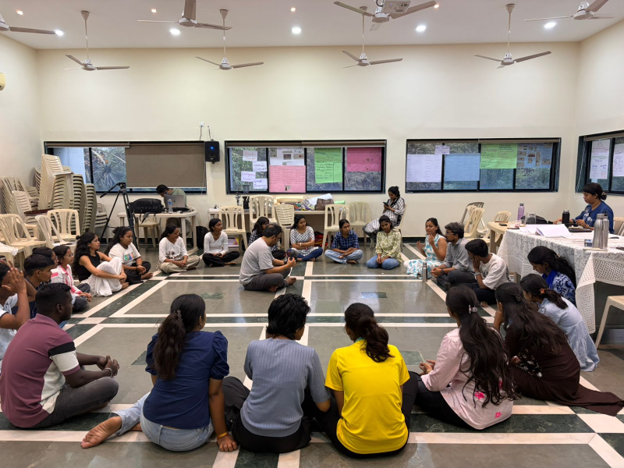
As participants shared stories from their own neighbourhoods and communities, the discussion became more personal. Many recognised how urbanisation had shaped their own lives and the lives of their families. What emerged from these conversations was a deeper realisation that cities are not built by concrete alone. They are shaped by the people who live in them, the decisions that govern them, and the inequalities and opportunities that define everyday life.
Understanding Rights, Equality, and Democracy
Can the Constitution help us make sense of the world around us? This question sparked a series of conversations that encouraged participants to look beyond legal provisions and connect constitutional values with their own experiences. Equality, justice, liberty, and dignity were no longer discussed as abstract ideals, but as values that shape people’s experiences and interactions within society.
Conversations around caste, religion, identity, and discrimination opened up a space where participants could speak honestly about the realities they had witnessed in their own communities. The conversations gradually moved beyond concepts and definitions, bringing into focus how social inequalities continue to affect people’s opportunities, choices, and access to rights.
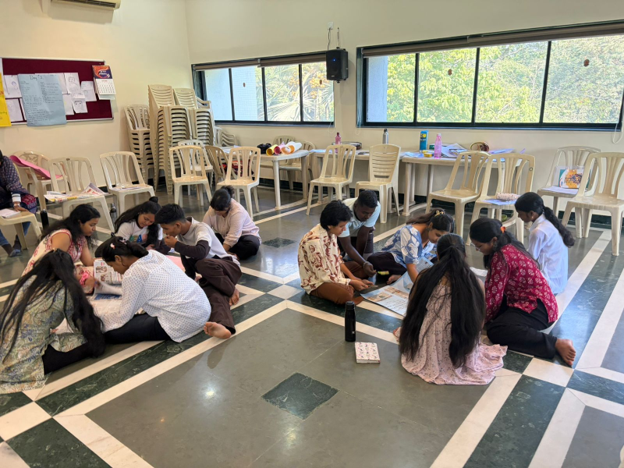
What does it really mean to live in a diverse society? Is coexistence simply about living alongside one another, or does it also require mutual respect, trust, and equal opportunities?
These questions shaped the conversations on secularism. Through historical examples, shared experiences, and group discussions, participants rethought the meaning of diversity and the values that strengthen it. Rather than viewing secularism as a constitutional principle alone, they explored what it looks like in everyday life and the role each of us can play in building more inclusive communities.
Seeing Governance as Part of Everyday Life
For many young people, governance often feels distant, associated with government offices, political leaders, and complex administrative structures. However, the sessions on local self-government and the Municipal Corporation of Greater Mumbai helped participants see governance from a different perspective.
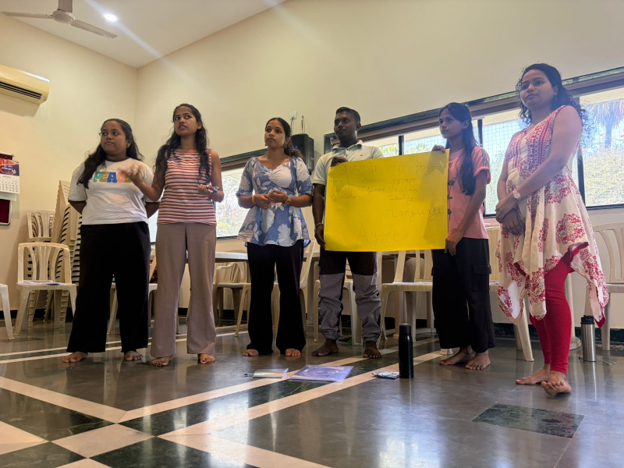
Using examples such as water supply, sanitation, roads, and public services, participants connected governance to issues they encounter in their own neighbourhoods.
Connecting the Bigger Picture
Discussions on climate justice and labour rights encouraged participants to examine how environmental, economic, and social issues are deeply interconnected. Participants considered how environmental challenges often place the greatest burden on vulnerable communities and how informal workers, despite playing an essential role in keeping cities running, continue to struggle for dignity, protection, and recognition. Gradually, participants recognised how these issues are deeply interconnected, each influencing the other in ways that often go unnoticed. Conversations also touched upon gender, patriarchy, LGBTQ+ rights, and inclusion, encouraging participants to engage with diverse perspectives and question long-held assumptions.
Looking Inward: The Turning Point of the Journey
For much of City Caravan, participants explored the world around them – cities, governance, rights, inequality, and social change. But one of the most memorable moments came when the focus shifted inward.
On the eighth day, participants were invited to create a Life Journey River, using the image of a river to trace the course of their own lives. Where had their journey begun? What moments had changed its direction? Who had stood beside them when the path became difficult? What gave them the strength to keep moving forward?
As participants began drawing their Life Journey Rivers, they gradually became immersed in the activity. Each river took a different shape, reflecting experiences of struggle, change, and resilience. Through colours, symbols, and words, participants reflected on moments of joy, family responsibilities, educational struggles, personal setbacks, friendships, achievements, and the people who had shaped their journeys.
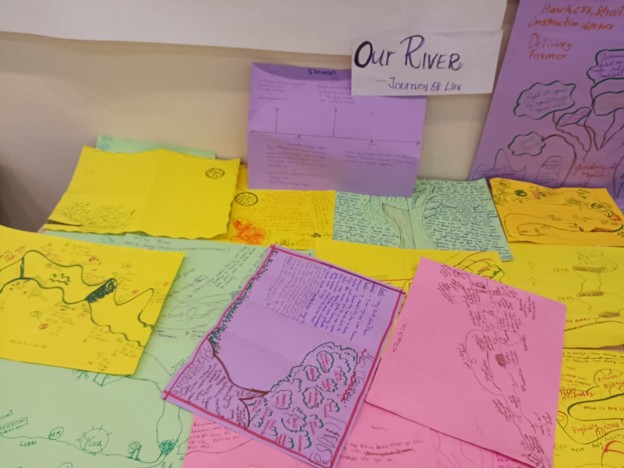
For many, it was the first time they had paused to look back at their own lives in this way – not individually, but alongside a group willing to listen without judgement. The activity gently reminded participants that every person carries experiences that are often invisible, and that understanding others begins with creating space to hear their stories.
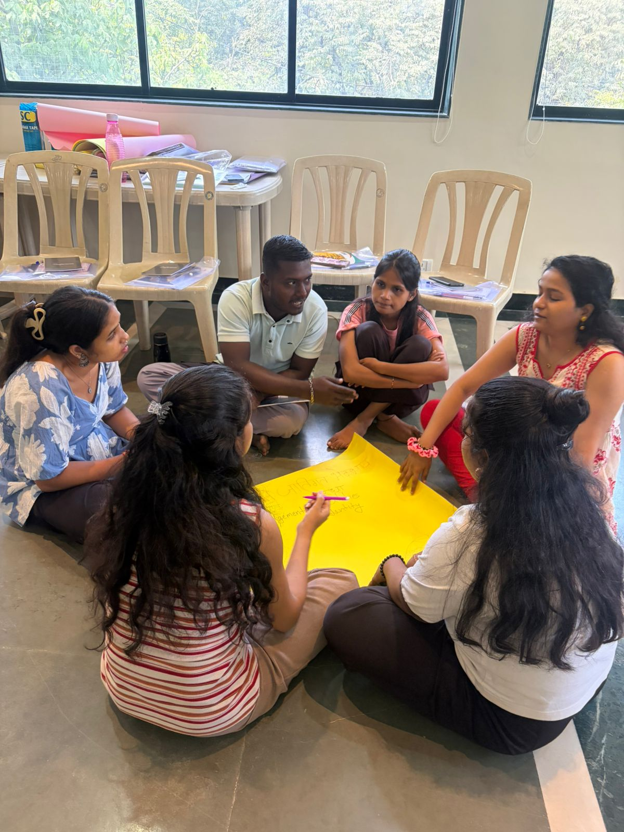
The reflection continued later that day through another deeply personal activity. Participants wrote letters to themselves five years into the future, capturing their aspirations, the values they hoped to hold on to, and the kind of people they wanted to become. Looking back at where they had come from made it easier to imagine where they hoped to go.
Together, these reflections encouraged participants to see leadership as a journey of both personal growth and social responsibility.
.
The Journey Continues
As City Caravan 10.0 came to a close, participants returned to their communities with new perspectives, stronger connections, and plenty to reflect on. Over ten days, they had explored cities through different lenses, questioned familiar assumptions, shared personal journeys, and imagined practical ways to create change. While the programme ended with a certificate ceremony, the conversations and ideas it sparked are likely to continue – this time, within the communities the participants call home.