In April 2026, YUVA hosted a meaningful interaction with representatives from Duck Creek that became much more than a formal visit. It was a day of conversations, shared experiences and honest reflections on what real change looks like when women from marginalised communities lead.
The meeting brought together the YUVA team, guests from Duck Creek, and women who are part of YUVA’s women auto-rickshaw driver training programme in Navi Mumbai and Panvel. What made the gathering special was not only the discussion around livelihoods, but the voices of the women themselves, who spoke with courage, humour and confidence about their journeys.
Understanding YUVA’s Work with Communities
The session began with YUVA sharing its larger journey of working with communities for more than four decades. The discussion focused on how cities are built and sustained by informal workers such as construction workers, domestic workers, street vendors, and many others whose labour keeps daily life running. Yet, despite their contribution, many of these workers continue to face insecure incomes, poor working conditions and little recognition.
Women in these communities often carry an even heavier load. Along with earning an income wherever possible, they manage homes, care for children, support elders and handle countless responsibilities that often go unseen. YUVA shared that this is why women’s livelihoods are central to community development, because when women gain economic strength, families and communities grow stronger too.
From Self-Help Groups to New Opportunities
Over the years, YUVA has worked closely with women to facilitate the formation of self-help groups, where women come together to save small amounts of money, access loans, support each other during emergencies and slowly build confidence.
As these conversations and collective spaces grew stronger over time, many women also began speaking more openly about livelihoods, financial struggles and the limited work opportunities available to them. During regular community discussions, a new question began to emerge: why should only men drive auto-rickshaws? Why should women remain limited to certain kinds of work? That question slowly turned into an idea, and the idea became a livelihood programme.
Why Women Auto Drivers?
YUVA explained that in many cities, transport work continues to be dominated by men, even though women passengers often speak about feeling unsafe while travelling alone, especially early in the morning or late at night. At the same time, many women need work that offers better earnings and greater independence. Auto driving appeared as a practical answer to both concerns. It could provide women with stronger incomes while also increasing women’s presence in public transport spaces. One participant shared that women work very hard in many jobs but still struggle to earn enough, and that driving could offer a better future. Another woman said with confidence that if women can run households, raise children and manage endless responsibilities every day, then they can certainly drive an auto too.
Building Skills Beyond Driving: Stories of Courage and Confidence
The programme, YUVA shared, is not only about learning how to drive. It has been designed as a complete support system to help women succeed in a new field. Along with professional driving lessons, women are receiving help with licences and transport permits. They are also participating in self-defence sessions, digital literacy workshops, financial planning training, and leadership development activities. This approach recognises that entering a new profession is not only about technical skill. It is also about confidence, safety, independence and knowing how to handle challenges.
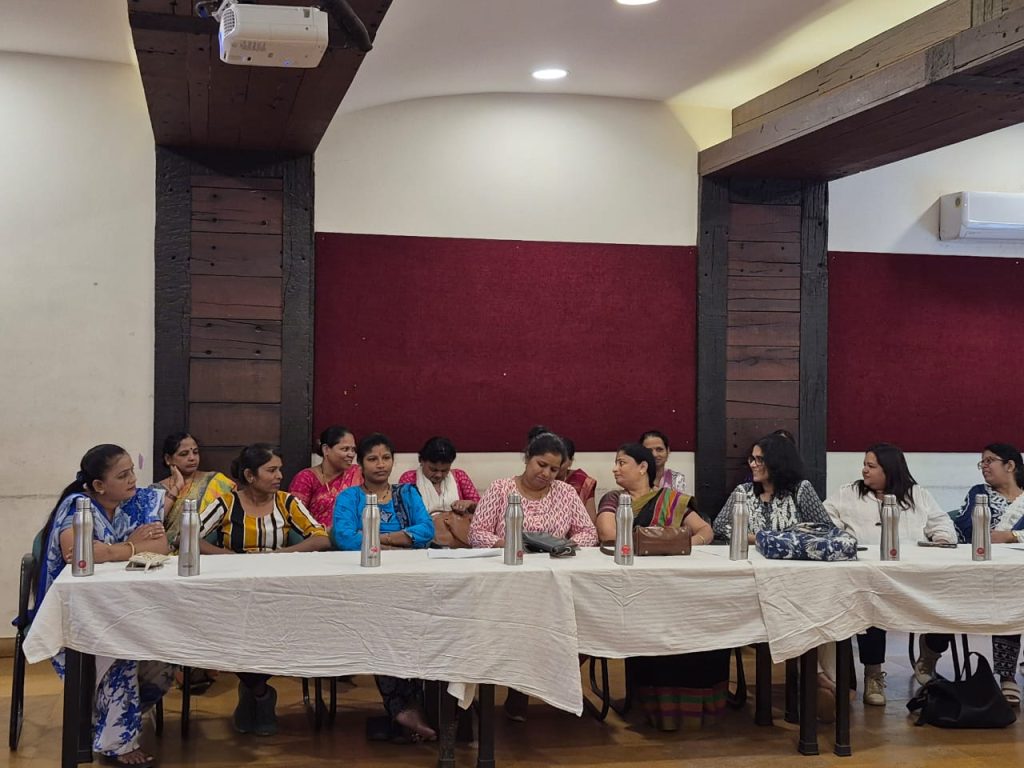
The most interesting part of the interaction came when the women began sharing their own stories. Many spoke openly about the doubts they faced when they first decided to join the programme. Some neighbours laughed at them. Some relatives questioned who would cook meals or manage the children. Others said driving was not work meant for women. But despite the comments and hesitation around them, they chose to continue. One woman shared that when she first said she wanted to learn driving, people laughed, but now those same people ask her when she will begin working. Another woman said that in the beginning she was nervous even to sit in the driver’s seat, but today she feels proud every time she holds the steering wheel. Their words were simple, but they carried the strength of women who had crossed invisible barriers.
More Than a Livelihood: A Sense of Freedom
The women also spoke about how the training changed something within them. For many, learning to drive was not only about earning money. It was about freedom. It meant understanding roads, travelling across the city, speaking confidently with strangers, making decisions and stepping into public spaces with self-belief. One participant shared that earlier she always waited for someone else to take her outside, but now she feels she can go anywhere on her own. That statement stayed in the room because everyone understood that this was about much more than transport, it was about dignity and independence.
YUVA also explained the economic side of the programme. Many women currently engaged in tailoring, domestic work or informal jobs often work for long hours, yet struggle to earn a stable income. Auto driving can offer better and more stable daily incomes, helping women support their households more effectively. The initiative is also exploring cleaner mobility options such as electric autos, showing that women’s livelihoods and sustainable cities can grow together.
The Power of Collective Support
Another important theme of the discussion was collective strength. YUVA shared that women move forward faster when they do not walk alone. Self-help groups have already shown how women can save together, solve problems together and support each other through difficult times. In the same way, the hope is that these women drivers will build their own support network in the future, sharing guidance, helping with permits, mentoring new women drivers and standing together whenever challenges arise. One YUVA representative shared that the aim is not only for one woman to drive an auto, but for many women to move ahead together.
A Valuable Exchange with Duck Creek
Throughout the interaction, the Duck Creek team listened with genuine interest and respect. They asked thoughtful questions about the training process, the barriers women face, how communities build trust and how long-term support can continue. They were keen to understand the people behind the programme. Their presence and curiosity added warmth to the exchange and made the women feel heard.
Sharing more about this, the Duck Creek team spoke about two of their initiatives – “Give Back Month” and “Duck Creek Gives Back” (DCGB). Through these initiatives, employees are encouraged to contribute their time, skills and support to causes they care about through volunteering and community engagement activities throughout the year.
The Duck Creek team shared that partnerships with organisations like YUVA help strengthen their understanding of grassroots realities and community-led change. As Manju George, Director, Professional Services, reflected, such collaborations represent values of inclusion, empowerment, compassion and sustainable change, while helping build stronger and more equitable communities.
Kiran Joshi, Senior Manager – HRBP, shared that her expectations from the day were centred around meaningful interaction, learning and connection. She said she was looking forward to the exchange being highly engaging and conversation-driven, creating space for genuine human connection rather than just a formal activity.
She also reflected on wanting to understand the women’s individual stories, aspirations and challenges more deeply, while contributing meaningfully through time, skills, encouragement, or simply by being present and involved wholeheartedly. Reflecting on the experience later, she shared that YUVA had stood true to all these expectations.
Both Manju and Kiran described the interaction as deeply inspiring and humbling. For Manju, listening to the journeys of the women auto-rickshaw drivers supported by YUVA was a powerful reminder of the resilience, confidence and strength that emerge when women are given opportunities to move forward on their own terms. The exchange also reinforced an important understanding for the Duck Creek team, that when corporate responsibility and grassroots action come together, the impact goes far beyond livelihoods. It creates not just livelihood opportunities, but also a stronger sense of dignity, independence and self-belief. At the same time, the exchange served as a reminder that even small acts of support and meaningful engagement can slowly contribute towards building a more inclusive and equitable future.
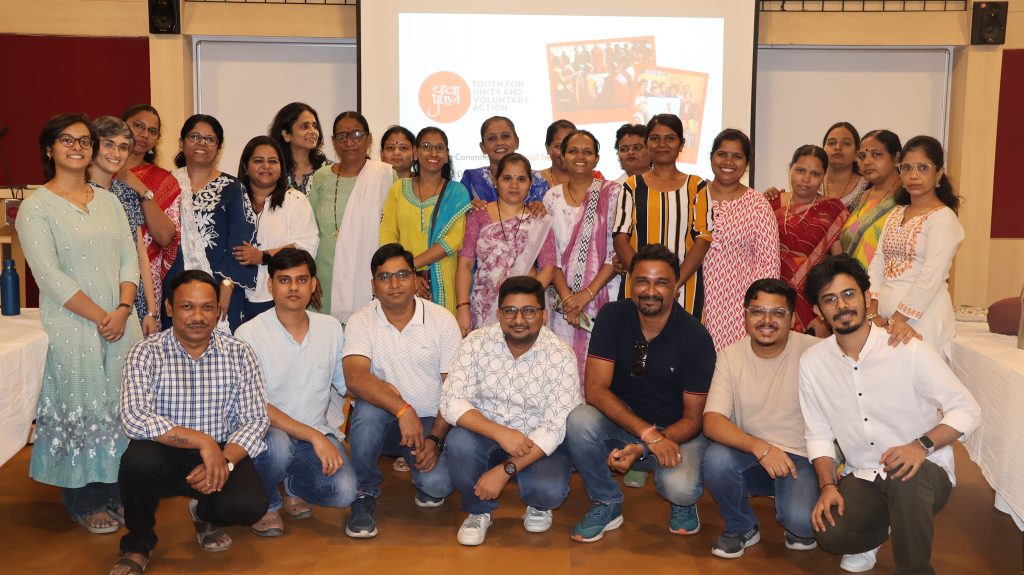
As the meeting came to a close, there was a sense of hope in the room. The women had shared their journeys with honesty, the visitors had listened with care, and everyone had witnessed what opportunity can look like when it reaches the right hands. One participant perhaps summed up the spirit of the day best when she said that earlier she waited for opportunities to come, but now she feels she can create her own. That is what this programme is truly about. It is not only teaching women to drive. It is helping them move forward in life, with confidence, purpose and pride.